

I still vividly remember the first time anxiety hit me like a tidal wave—my heart racing uncontrollably and my mind spinning in a storm of what-ifs. You’re not alone if this sounds familiar. Anxiety affects over 40 million adults in the U.S., and finding ways to regain calm naturally can sometimes feel daunting. This guide is your down-to-earth companion, offering science-based natural remedies and lifestyle tweaks that helped me reclaim peace—without reaching for a prescription right away. Let’s dive in and explore practical, research-backed strategies to help you manage anxiety on your terms.
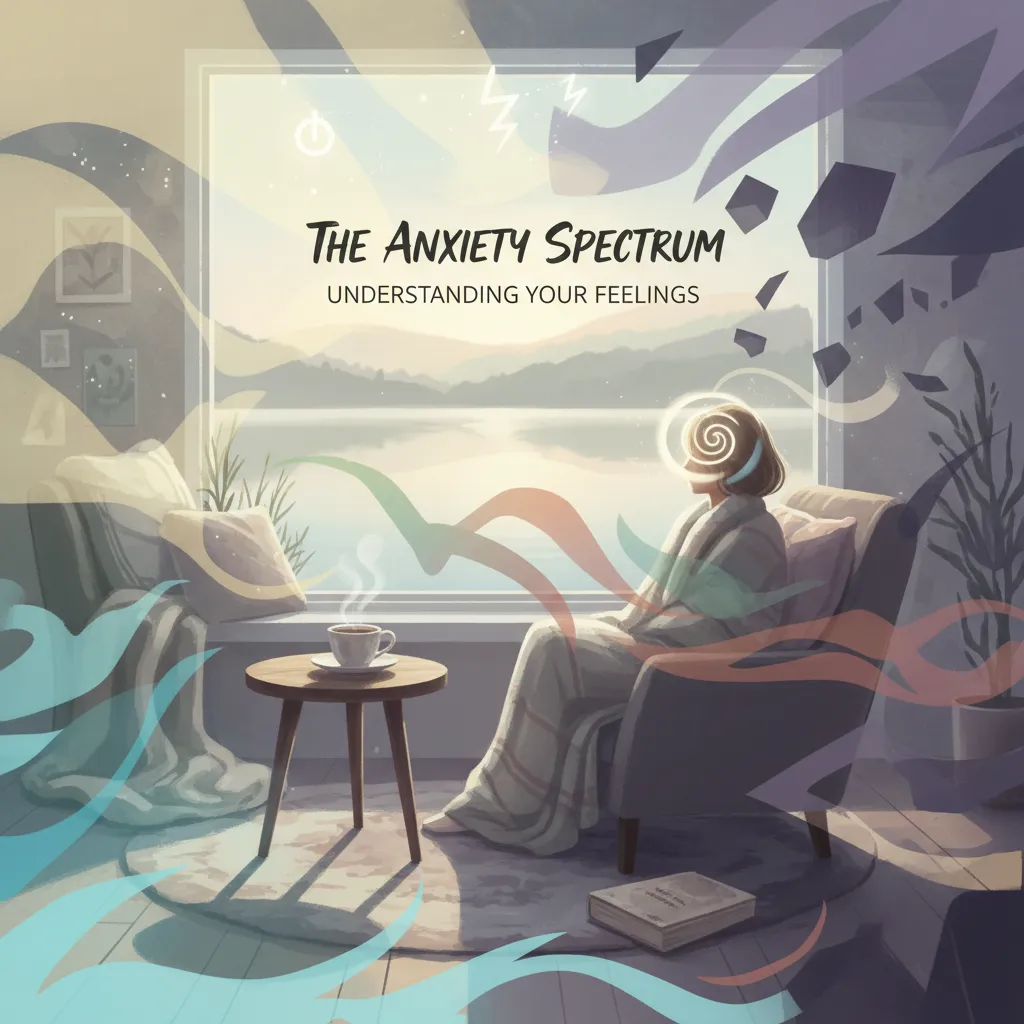
The Anxiety Spectrum: Understanding Your Feelings
If you’re exploring natural remedies for anxiety or seeking panic attack relief without medication, the first step is understanding where your feelings fall on the anxiety spectrum. Anxiety is a universal human experience—over 40 million adults in the United States are affected, according to recent data (JAMA Psychiatry, 2022). Recognizing the difference between normal stress and clinical anxiety is essential for choosing the right management strategies and avoiding improper self-treatment.
Normal Nervousness vs. Anxiety Disorders
It’s completely normal to feel nervous before a big presentation, a job interview, or a major life change. This type of anxiety is your body’s natural response to stress, and it often passes once the situation resolves. However, when anxiety becomes persistent, excessive, or starts to interfere with daily life, it may signal an anxiety disorder. As Dr. Emily Thompson, Clinical Psychologist, notes:
"Recognizing anxiety's spectrum empowers better self-care and timely professional aid."
Understanding this distinction is vital. While everyday nervousness is temporary and manageable, anxiety disorders are more intense, last longer, and can disrupt your ability to function at work, school, or in relationships.
Types of Anxiety Disorders
There are several main types of anxiety disorders, each with unique features and triggers. Knowing which type best describes your experience can help you target your management approach, including selecting the most effective natural remedies for anxiety or social anxiety natural treatment methods:
- Generalized Anxiety Disorder (GAD): Characterized by chronic, excessive worry about various aspects of life, often accompanied by restlessness, fatigue, and difficulty concentrating.
- Panic Disorder: Involves sudden, intense episodes of fear or discomfort (panic attacks), often with physical symptoms like chest pain, racing heart, shortness of breath, or dizziness.
- Social Anxiety Disorder: Marked by intense fear of social situations or being judged by others, leading to avoidance of gatherings, meetings, or public speaking.
- Health Anxiety: Persistent worry about having a serious illness, despite medical reassurance, often leading to repeated doctor visits or excessive health-related research.
Recognizing Physical and Behavioral Signs
Clinical anxiety often manifests with physical symptoms. These can include:
- Racing or pounding heart
- Nausea or stomach discomfort
- Muscle tension or headaches
- Shortness of breath
- Restlessness or trouble sleeping
- Avoidance of certain places, people, or activities
Recognizing these signs early can help you seek appropriate panic attack relief or begin natural remedies for anxiety before symptoms escalate. According to Harvard Medical research, early identification and intervention are linked to better outcomes and reduced risk of chronic anxiety.
Why Understanding Anxiety Types Matters
Each anxiety disorder has its own triggers, symptoms, and best-fit treatments. For example, social anxiety natural treatment might focus on calming supplements, exposure techniques, and mindfulness, while panic disorder may benefit from breathing exercises and grounding methods. Understanding your specific anxiety type allows you to:
- Choose targeted natural remedies and lifestyle changes
- Recognize when professional help is needed
- Track your progress and adjust your approach as needed
The Roots of Anxiety: Genetics, Brain Chemistry, and Trauma
Anxiety disorders are not a sign of weakness. They often arise from a combination of genetics, brain chemistry, and life experiences such as trauma or chronic stress. This shared foundation explains why anxiety is so common—and why you are not alone in your struggle. Understanding these roots can help reduce self-blame and encourage you to seek support, whether through natural remedies for anxiety or professional care.
Early Recognition: Your Key to Effective Management
Spotting the difference between normal stress and clinical anxiety is crucial. Early recognition prevents escalation, reduces the risk of self-medicating with ineffective or unsafe methods, and opens the door to evidence-based solutions. Whether you’re considering herbal supplements, breathing techniques, or therapy, understanding your unique place on the anxiety spectrum is the foundation for lasting relief and recovery.
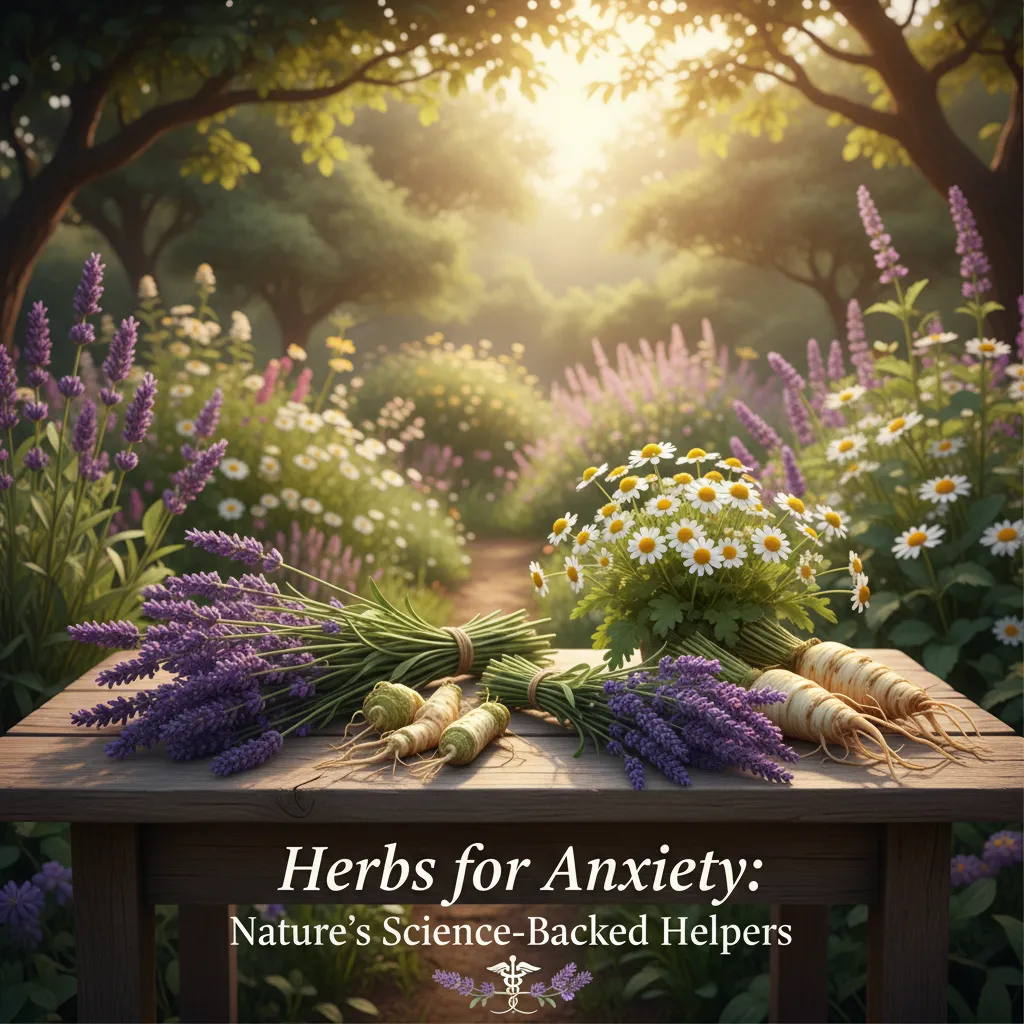
Herbs for Anxiety: Nature's Science-Backed Helpers
If you’re searching for natural anxiety relief, modern science now confirms what traditional medicine has long suggested: certain herbs can offer real, measurable benefits for anxiety. Supported by clinical trials through 2024 and 2025, these herbs for anxiety help regulate stress hormones, calm the nervous system, and promote restful sleep—often with fewer side effects than prescription medications. Here’s what you need to know about the most effective, evidence-backed options.
Ashwagandha: Powerful Stress Buffer
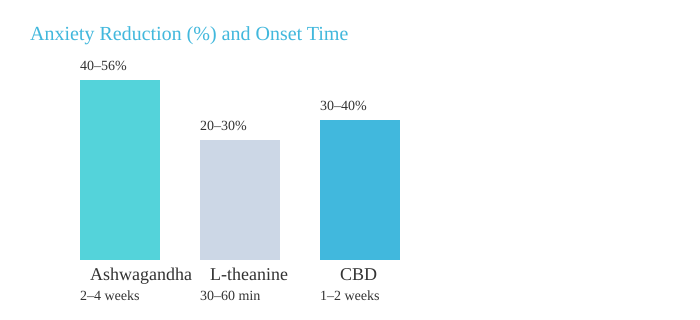
Ashwagandha (brands: KSM-66, Zenroot™, Shoden, Sensoril) stands out as one of the most researched natural anxiety remedies. Clinical trials show that ashwagandha can lower cortisol—the body’s main stress hormone—by 20–30%. In recent randomized controlled trials (RCTs), daily doses of 300–600mg led to a remarkable 40–56% reduction in anxiety scores. Ashwagandha also improves sleep quality and protects the brain from stress-induced damage. It’s generally well-tolerated, though you should avoid it if pregnant, breastfeeding, or dealing with hyperthyroidism.
"Integrating herbs like ashwagandha and L-theanine can provide significant, natural anxiety relief with few side effects." – Dr. Rebecca Lin, Integrative Medicine Specialist
L-Theanine: Fast-Acting Calm and Focus
L-theanine (brands: Suntheanine, AlphaWave®) is an amino acid found in green tea, prized for its unique ability to promote “alert calmness.” It works by increasing calming neurotransmitters like GABA, serotonin, and dopamine, while reducing excitatory glutamate. L-theanine acts quickly—most people notice effects within 30–60 minutes of a 200–400mg dose, making it ideal for situational anxiety or before stressful events. Its safety profile is excellent, with rare mild side effects.
Magnesium: Nature’s Relaxant
Magnesium is often called “nature’s relaxant” for good reason. Forms like magnesium glycinate and threonate are best for absorption and gentle on the stomach. A daily dose of 300–400mg supports GABA activity, reduces inflammation, and helps regulate sleep—all key for easing anxiety. A 2024 systematic review confirmed magnesium’s benefit for mild anxiety and insomnia, especially if you’re deficient (a common issue). Start with a lower dose and increase gradually to avoid digestive upset.
Passionflower and Lavender: Gentle Calming Herbs
Passionflower (e.g., Gaia Herbs) and lavender (oral Silexan supplement or aromatherapy) are traditional herbs for anxiety with modern clinical support. Passionflower increases GABA for a calming, mildly sedative effect—helpful for both anxiety and insomnia. Lavender oil, especially in the Silexan form (80–160mg/day), has shown anxiety-reducing effects in studies, sometimes rivaling prescription lorazepam. Use lavender as a supplement or diffuse 3–5 drops for aromatherapy, but never ingest undiluted oil.
CBD: Modern Relief for Social Anxiety and PTSD
Cannabidiol (CBD), especially from trusted brands like Charlotte’s Web, is now recognized for its ability to modulate serotonin and calm overactive brain regions like the amygdala. Recent meta-analyses and RCTs (2024) confirm CBD’s effectiveness, particularly for social anxiety and PTSD. Typical doses start at 10–20mg/day, increasing to 20–50mg for acute needs. Always choose third-party tested products and discuss with your provider if you take other medications.
Chamomile: Mild Anxiolytic and Digestive Soother
Chamomile is a gentle, well-tolerated herb that binds to GABA receptors, offering mild anxiety relief and digestive comfort. You can enjoy 1–4 cups of chamomile tea daily or use 400–1,600mg of extract. It’s a safe starting point for those new to herbal remedies.
When used as directed, these herbs for anxiety are safe and effective for most adults. Always consult your healthcare provider before starting, especially if you are pregnant, breastfeeding, or combining multiple sedating herbs. As Dr. Rebecca Lin notes, “Integrating herbs like ashwagandha and L-theanine can provide significant, natural anxiety relief with few side effects.”
Quick Calm: Breathing Techniques and Immediate Tools for Panic Attack Relief
If you’re searching for natural anxiety relief that works in the moment, breathing techniques and sensory tools are among the most effective, research-backed options available. These methods are risk-free, easy to learn, and can be practiced anywhere—making them essential for anyone seeking panic attack relief or quick calm during anxious moments.
4-7-8 Breathing: Rapid Calm for Panic Attacks
The 4-7-8 Breathing method, developed by Dr. Andrew Weil, is one of the fastest ways to calm your nervous system during a panic attack. This simple technique involves:
- Inhaling quietly through your nose for 4 seconds
- Holding your breath for 7 seconds
- Exhaling slowly and completely through your mouth for 8 seconds
Repeat this cycle four times. Clinical insights show that 4-7-8 breathing can lower heart rate, reduce cortisol, and ease panic within minutes. As neuroscientist Dr. Samuel Lee explains:
"Breathing exercises are powerful because they not only calm your mind but also regulate your nervous system."
Try this technique when you feel anxiety rising, before sleep, or anytime you need quick calm.
Box Breathing: Focus and Composure Under Stress
Box Breathing, also known as four-square breathing, is a favorite among Navy SEALs and elite performers for maintaining composure under pressure. The steps are:
- Inhale for 4 seconds
- Hold your breath for 4 seconds
- Exhale for 4 seconds
- Hold again for 4 seconds
This method not only soothes anxiety but also sharpens focus and mental clarity. Use box breathing before presentations, exams, or any stressful situation to regain control.
Grounding: The 5-4-3-2-1 Sensory Technique
During a panic attack, your mind can feel overwhelmed and disconnected from reality. Grounding techniques help anchor you in the present by engaging your senses. The 5-4-3-2-1 method is especially effective:
- 5 things you can see
- 4 things you can touch
- 3 things you can hear
- 2 things you can smell
- 1 thing you can taste
Slowly name each item, focusing on the details. This technique reconnects your sensory perception, reduces overwhelm, and pulls you back to reality—making it a powerful tool for panic attack relief.
Meditation: Long-Term Nervous System Regulation
While breathing techniques provide immediate relief, meditation builds long-term resilience against anxiety. Studies in JAMA Psychiatry (2022) confirm that just 10–20 minutes daily can significantly reduce anxiety symptoms. Apps like Headspace offer guided sessions, making meditation accessible even for beginners. Over time, meditation enhances your nervous system’s ability to regulate stress and maintain calm.
Weighted Blankets: Deep Pressure for Relaxation
For tactile comfort, weighted blankets (such as the YnM Weighted Blanket) provide deep pressure stimulation, which has been shown to improve sleep quality and promote relaxation. The gentle, even weight helps lower anxiety by signaling safety to your nervous system. Use a weighted blanket during rest, meditation, or whenever you need extra comfort.
Accessible, Portable, and Empowering Tools
These natural anxiety relief techniques—4-7-8 breathing, box breathing, grounding, meditation, and weighted blankets—are:
- Risk-free and suitable for all ages
- Portable—practice anywhere, anytime
- Backed by research for immediate and lasting anxiety relief
Incorporating these tools into your daily routine empowers you to manage anxiety spikes and regain a sense of control, naturally and effectively.

Building Your Foundation: Lifestyle Habits to Support Natural Anxiety Relief
For anyone seeking natural anxiety relief, building a strong foundation with healthy lifestyle habits is essential. Sustainable anxiety management goes beyond supplements—your daily routines shape your brain chemistry, resilience, and overall well-being. As Dr. Laura Garcia, Behavioral Scientist, notes:
"The power of lifestyle cannot be overstated; small daily habits accumulate to create significant anxiety relief."
Prioritize Quality Sleep
Sleep is the cornerstone of natural anxiety treatment. Aim for 7–9 hours of sleep each night. Poor sleep increases cortisol (the stress hormone) and disrupts neurotransmitters like serotonin and GABA, both vital for calm and mood balance. To optimize sleep:
- Keep your bedroom cool and dark.
- Avoid screens at least 60 minutes before bed to prevent blue light from interfering with melatonin.
- Consider magnesium supplements (such as Doctor’s Best Magnesium Glycinate) to support relaxation and sleep quality.
Engage in Regular Physical Exercise
Exercise is a proven natural anxiety relief strategy. Harvard studies show that 30–60 minutes of moderate movement most days can be as effective as medication for mild-to-moderate anxiety. Physical activity stimulates endorphins, boosts serotonin and GABA, and lowers cortisol. Try:
- Brisk walking, cycling, or swimming
- Yoga, tai chi, or qigong for gentle movement and mind-body connection
- Short movement breaks throughout your day to reduce tension
Consistency is key—regular movement exercise for anxiety builds resilience over time.
Adopt a Natural Anxiety Treatment Diet
Your diet directly affects your mood and stress response. Focus on whole foods rich in magnesium, omega-3s, and antioxidants:
- Leafy greens (spinach, kale), nuts, seeds, and dark chocolate for magnesium
- Fatty fish (salmon, sardines) and high-quality omega-3 supplements (like Nordic Naturals Ultimate Omega)
- Colorful fruits and vegetables for antioxidant support
Omega-3s and magnesium are especially important—these nutrients support neurotransmitter balance and reduce inflammation, both linked to anxiety reduction. Limit caffeine, alcohol, processed foods, and excessive screen time, as these can worsen anxiety symptoms.
Spend Time Outdoors: The Power of ‘Forest Bathing’
Nature exposure is a simple yet powerful tool for natural anxiety relief. Spending 20–30 minutes outdoors daily—whether in a park, garden, or forest—lowers cortisol and improves mood. This practice, known as “forest bathing,” is supported by research showing significant reductions in anxiety and stress.
Practice Mindfulness, Meditation, and Journaling
Mindfulness-based stress reduction (MBSR) is clinically proven to improve anxiety symptoms. Incorporate:
- Daily meditation (10–20 minutes with apps like Headspace)
- Journaling to process thoughts and reframe anxious patterns
- Breathing exercises and grounding techniques for immediate calm
These habits help you regulate emotions, build self-awareness, and create a sense of control. Meditation and journaling for anxiety are especially effective when practiced consistently.
Key Lifestyle Recommendations at a Glance
| Habit | Recommendation |
|---|---|
| Sleep | 7–9 hours/night |
| Exercise | 30–60 minutes most days |
| Omega-3s | 1–2g EPA/DHA daily (EPA:DHA ratio 2:1+) |
| Outdoor Time | 20–30 minutes daily |
Maximize the Effectiveness of Natural Remedies
Routine lifestyle changes—quality sleep, regular physical exercise, a natural anxiety treatment diet, outdoor time, and mindfulness—create the foundation for all other natural remedies to work their best. By making these habits part of your daily life, you empower your body and mind to manage anxiety naturally and sustainably.

When to Reach Out: Knowing Your Limits and Professional Anxiety Support
While natural anxiety treatment and lifestyle changes can be highly effective for mild-to-moderate symptoms, it’s essential to recognize when professional support is needed. Understanding your personal limits is a key part of responsible anxiety management strategies, especially if you want to manage anxiety without medication but find your symptoms persist or worsen. Knowing when to seek help ensures your safety and maximizes your chances of long-term relief.
Recognizing When Natural Anxiety Treatment Isn’t Enough
Natural remedies and self-care practices are powerful tools, but they have their limits. You should reach out for professional support if you experience any of the following:
- Severe disruption of daily life: If anxiety makes it difficult to work, study, care for yourself or others, or maintain relationships, self-management may not be enough.
- Suicidal thoughts or self-harm urges: These are emergencies. Call 988, text HOME to 741741, or dial 911 immediately. You can also reach out to SAMHSA (1-800-662-4357) or NAMI (1-800-950-NAMI).
- Frequent or severe panic attacks: If panic attacks are happening often, are intense, or cause you to avoid important activities, clinical intervention is necessary.
- Symptoms persist or worsen after 2–3 months: If you’ve tried natural anxiety treatment and lifestyle changes consistently for several months with little or no improvement, it’s time to consult a mental health professional.
- Escalating substance use, trauma history, or co-occurring conditions: These factors increase risk and complexity, making professional guidance essential.
Professional Anxiety Support Options
There are several evidence-based therapies and medical treatments available for anxiety management strategies:
- Cognitive Behavioral Therapy (CBT): The gold standard for anxiety treatment, CBT helps you identify and reframe anxious thought patterns and behaviors.
- Exposure Therapy: Gradually reduces fear by safely confronting anxiety triggers.
- Acceptance and Commitment Therapy (ACT): Teaches you to accept anxious feelings while committing to actions aligned with your values.
- Eye Movement Desensitization and Reprocessing (EMDR): Especially effective for trauma-related anxiety.
- Medications: SSRIs, SNRIs, buspirone, and short-term benzodiazepines can be prescribed when appropriate. Never stop medication abruptly—always consult your healthcare provider.
Combining therapy with medication and natural remedies often yields the best results. As Dr. Michael Hammond, Psychiatrist, notes:
"Professional intervention complements natural strategies, creating a comprehensive anxiety treatment plan."
Why Professional Guidance Matters
Integrating natural anxiety treatment with professional support ensures you’re using safe, effective strategies tailored to your needs. This is especially important if you’re considering combining supplements (like ashwagandha, magnesium, or CBD) with prescription medications. Some supplements can interact with pharmaceuticals, so always inform your provider about everything you’re taking.
Professional support also helps address underlying issues such as trauma, substance use, or co-occurring mental health conditions. Therapists can guide you in building sustainable coping skills, while medical professionals monitor your progress and adjust treatments as needed.
Emergency Resources and Crisis Support
If you or someone you know is in crisis, immediate help is available:
- 988 Suicide & Crisis Lifeline
- Text HOME to 741741 for the Crisis Text Line
- 911 for emergencies
- SAMHSA Helpline: 1-800-662-4357
- NAMI Helpline: 1-800-950-NAMI
Remember, seeking professional help is a sign of strength. Natural anxiety treatment is most effective when you know your limits and reach out for support when needed. By combining self-care, evidence-based therapy, and—if appropriate—medication, you can create a personalized plan for lasting anxiety relief.

Smarter Supplement Use: How to Choose, Combine, and Use Herbs for Anxiety Safely
When it comes to natural anxiety relief, using herbs and supplements can be both effective and empowering—if you approach them with care. Controlled, monitored supplementation maximizes benefits and reduces risks. Here’s your practical guide to making smart choices with herbs for anxiety, including ashwagandha, magnesium, and CBD, so you can feel confident and safe on your journey to calmer days.
Start One Supplement at a Time—and Monitor Effects
Begin your natural anxiety relief plan by introducing just one supplement at a time. This allows you to clearly track how your body responds and spot any side effects. Most herbs for anxiety, such as ashwagandha or magnesium, require a trial period of 2–4 weeks for initial effects, with full benefits often seen after 8–12 weeks. Patience and consistency are key—natural remedies rarely offer instant results, but steady use can bring lasting calm.
Choose Reputable, Third-Party Tested Brands
Quality matters. Always select supplements from trusted, third-party tested brands to ensure purity and potency. For anxiety, leading options include:
- KSM-66 Ashwagandha (300–600mg daily): Backed by over 20 clinical trials, this extract is proven for ashwagandha anxiety support.
- Suntheanine L-Theanine (200–400mg daily): Fast-acting for situational stress and general anxiety.
- Doctor’s Best Magnesium Glycinate (300–400mg daily): Gentle on the stomach and highly absorbable for magnesium anxiety relief.
- Gaia Herbs Passionflower: Calming, especially before bed.
- Plant Therapy Lavender Oil: For aromatherapy or topical use.
- Charlotte’s Web CBD: Start with 10–20mg daily and titrate up as needed for CBD anxiety support.
- Nordic Naturals Omega-3: For mood and inflammation support.
Look for labels that indicate third-party testing and avoid products with fillers or unverified claims.
Combine Carefully: What Works and What to Avoid
Some combinations, like ashwagandha with magnesium or L-theanine with magnesium, are generally safe and may even enhance anxiety relief. However, avoid mixing multiple sedating herbs (such as passionflower, valerian, and high-dose CBD) without professional guidance, as this can increase the risk of excessive drowsiness or interactions.
Always report all supplements to your healthcare provider, especially if you are taking prescription medications. This is crucial for products like CBD, which can interact with drugs processed by the liver (CYP450 enzymes). Controlled, monitored supplementation and open communication with your provider are essential for safety.
Special Considerations and Safety Tips
- Pregnant or breastfeeding? Consult your doctor before using any supplement. Most herbs for anxiety lack sufficient safety data during these periods, though magnesium and omega-3s may be considered under supervision.
- Avoid ashwagandha if you have hyperthyroidism or are scheduled for surgery.
- Never exceed recommended dosages or combine several sedating herbs without medical advice.
- Start low, go slow: Carefully titrate your dose to gauge effects and minimize side effects.
"Quality and caution in supplement use ensure safe, effective anxiety relief." – Dr. Angela Park, Pharmacologist
Track Your Progress and Adjust as Needed
Keep a simple journal to note changes in mood, sleep, and anxiety levels. This helps you and your healthcare provider make informed decisions about continuing, adjusting, or combining supplements. If you don’t notice improvement after 2–4 weeks, or if you experience side effects, consult your provider before making changes.
Key Takeaways for Safe, Effective Natural Anxiety Relief
- Start with one supplement at a time and monitor for 2–4 weeks.
- Choose reputable, third-party tested brands for ashwagandha anxiety, magnesium anxiety, and CBD anxiety support.
- Combine only as advised, and avoid overuse of sedating herbs.
- Always communicate supplement use to your healthcare provider.
- Be patient—natural remedies require consistency for best results.
Smart supplement use is about quality, caution, and communication—giving you the best chance for safe, natural anxiety relief.

Wild Card: The Gut-Brain Connection and Fermented Foods for Anxiety Support
When it comes to natural anxiety relief, few topics are as exciting—or as promising—as the gut-brain connection. Recent research is rapidly changing how we understand anxiety, revealing that your gut health can directly influence your mood, stress response, and even the effectiveness of other natural remedies. By focusing on the gut-brain axis and incorporating fermented foods for anxiety support, you can unlock a powerful, evidence-based tool to complement herbal supplements and lifestyle changes.
So, what exactly is the gut-brain connection? Your gut is home to trillions of bacteria, collectively known as the microbiome. These microbes play a crucial role in producing neurotransmitters like GABA (gamma-aminobutyric acid), which helps calm the nervous system and regulate anxiety. In fact, up to 90% of your body’s serotonin and a significant portion of GABA are produced in the gut, not the brain. When your gut flora is balanced and diverse, your brain receives more of these calming signals, supporting a more stable mood and lower anxiety levels.
Fermented foods are a practical and delicious way to boost beneficial gut bacteria. Foods like kefir, sauerkraut, kimchi, yogurt, and miso are rich in live cultures—especially strains like Lactobacillus plantarum, which has been shown to support GABA synthesis. Clinical studies are compelling: one 2025 trial found that daily consumption of kefir (6–8oz with 10–15 diverse strains) led to a 25% reduction in anxiety scores after just six weeks. Participants also experienced lower cortisol, the body’s primary stress hormone, suggesting a direct link between fermented food intake and stress resilience.
To help you visualize the impact, here’s a quick data snapshot:
| Intervention | Key Data |
|---|---|
| Kefir (6–8oz daily, 10–15 strains) | 25% anxiety reduction after 6 weeks |
| Fermented food strains | 10–15 diverse strains recommended |
| Omega-3s (EPA/DHA) | 1–2g daily for mood and gut support |
| Fermented food intake | Linked to cortisol reduction |
But why does this work? The gut-brain axis is a two-way communication system. When you eat fermented foods, you increase the number and diversity of beneficial bacteria in your gut. These bacteria produce short-chain fatty acids and neurotransmitters that cross the gut lining and signal the brain, helping to regulate mood and stress. This process is so influential that emerging research now positions diet as a cornerstone of natural anxiety management.
To maximize the benefits of fermented foods for anxiety, consider pairing them with other gut-supportive nutrients. B-vitamins, magnesium, and omega-3 fatty acids all play roles in maintaining a healthy gut lining, reducing inflammation, and supporting neurotransmitter production. For example, taking 1–2g of EPA/DHA omega-3s daily (from sources like Nordic Naturals) can further reduce inflammation and support both gut and brain health. Magnesium-rich foods and supplements (such as Doctor’s Best Magnesium Glycinate) also help regulate GABA and support relaxation.
Personalization is key. Your gut microbiome is unique, so it’s important to experiment with different fermented foods and observe how your body responds. Start with small servings, increase gradually, and aim for variety to maximize microbial diversity. If you have a history of digestive issues or are immunocompromised, consult your healthcare provider before adding new fermented foods to your diet.
"The gut-brain connection offers an exciting frontier in natural anxiety relief." – Dr. Matthew Reynolds, Psychoneuroimmunologist
Incorporating fermented foods like kefir and sauerkraut into your daily routine is a simple, research-backed way to support your gut-brain axis and reduce anxiety naturally. As the science continues to evolve, it’s clear that what you eat can have a profound impact on how you feel. By combining dietary strategies with herbal supplements, lifestyle changes, and professional support when needed, you can build a holistic approach to anxiety management—one that empowers you to reclaim calm, confidence, and peace of mind.
