



It happened at my friend Jamie’s weekend retreat. The food was great, but something just... refused to budge. (You know what I mean.) That awkward, weighed-down feeling had me wishing for prune juice and a time machine. It turns out, even the healthiest of us can fall victim to constipation—sometimes when we least expect it. If your gut's ever staged a sit-in protest, you’re not alone. But before you raid the pharmacy, let’s dive into oddball strategies, legendary foods, and surprisingly effective methods you probably haven’t tried (yet).
1. The Fiber Factor: Why Roughage Still Rules for Constipation Relief
My Failed ‘No-Fiber’ Experiment (Never Again!)
Let me start with a confession: I once tried a trendy low-carb, low-fiber diet, thinking it would boost my energy and help me feel lighter. Instead, I ended up feeling bloated, sluggish, and—let’s be honest—miserable. Constipation became a daily struggle. That experience taught me the hard way that a high fiber diet isn’t just for your grandma; it’s essential for everyone’s digestive health.
Science Agrees: 25–38 Grams of Fiber Per Day Can Shift the Situation
Research shows that eating more fiber is one of the most effective natural remedies for constipation. Experts recommend adults aim for 25 to 38 grams of dietary fiber per day—yet only about 5% of us actually hit that target. As Dr. Megan Rossi says:
"Getting enough fiber is the cornerstone of digestive health."
Fiber works by adding bulk and softness to your stool, making it easier to pass. If you’re struggling with constipation, increasing your fiber intake can make a real difference.
Soluble vs. Insoluble Fiber: Why Both Matter
Not all fiber is the same. There are two main types:
- Soluble fiber (found in foods like psyllium, beans, oats, and prune juice) absorbs water and forms a gel, which helps soften stool.
- Insoluble fiber (in whole grains, vegetables, and kiwi fruit) adds bulk and helps move things along in your digestive tract.
For best results, include both types in your diet. For example, prune juice for constipation relief is backed by science, thanks to its unique blend of soluble fiber and natural sorbitol.
Fiber Content of Common Foods
Here’s a quick look at how much fiber you’ll find in some top foods for constipation relief:

Fiber Supplements for Constipation: Friend or Foe?
If you’re not getting enough fiber from food, fiber supplements for constipation like psyllium can help. They’re especially useful if you have dietary restrictions. But remember: introduce supplements slowly to avoid gas or bloating, and always pair them with plenty of water.
Don’t Forget Water! Fiber Needs a Drinking Buddy
No matter how much fiber you eat, it won’t help if you’re dehydrated. Drink plenty of water throughout the day to help fiber do its job. Water softens stool and helps fiber move smoothly through your gut, preventing the dreaded “brick effect.”
- Eat more fiber from foods like prunes, kiwi fruit, chia seeds, and oats.
- Consider prune juice for constipation—science backs its effectiveness.
- Use fiber supplements if needed, but increase gradually.
- Always drink enough water to support your high fiber diet.

2. Secret Agents in Your Kitchen: Foods and Natural Laxatives That Actually Work
When it comes to herbal remedies for constipation, your kitchen is packed with secret agents ready to help. Forget the old stereotypes—today’s natural laxatives are as effective as they are surprising. As Dr. Michael Greger puts it:
"Nature offers a pharmacy right in our pantry—if you know where to look."
Strange But True: Olive Oil Shots (Tried It Once…)
Let’s start with a remedy that’s both famous and infamous: olive oil. Some swear by taking a tablespoon or two straight, but from personal experience, I don’t recommend doing this on an empty stomach—it’s effective, but can feel a bit awkward. Olive oil works as a natural laxative for constipation by stimulating your digestive system and softening stool. The recommended dose is 1–2 tablespoons per day. Just drizzle it over salads or veggies for a gentler approach.
Herbal MVPs: Aloe Vera, Rhubarb, and Senna—Ancient but Not Passé
Some of the best herbal remedies for constipation have been used for centuries. Aloe vera (100–200mg daily), rhubarb, and senna (up to 17mg sennosides/day, short-term) are powerful plant-based laxatives. Senna, in particular, is a go-to in many herbal teas. However, these remedies can cause cramping or diarrhea if overused, so always start with the lowest dose and use them only when needed.
Best Foods for Constipation: Quick-Reference Table
| Natural Laxative | Effect | Recommended Dose | Cautions |
|---|---|---|---|
| Olive Oil | Lubricates stool, stimulates digestion | 1–2 tbsp/day | May cause loose stools if overused |
| Aloe Vera | Increases water in intestines, stimulates movement | 100–200mg/day | Cramps, diarrhea if overused |
| Senna | Stimulates bowel contractions | Up to 17mg sennosides/day (short-term) | Cramps, dependency with long-term use |
| Kiwi Fruit | High fiber, promotes regularity | 2 fruits/day | Generally safe; rare allergy |
| Chia Seeds | Adds bulk, softens stool | 1–2 tbsp/day (with water) | May cause bloating if not hydrated |
Wild Card: Olive Oil vs. Castor Oil (Myth-Busting Kitchen Remedies)
Both olive oil and castor oil have reputations as home remedies, but they’re not created equal. Olive oil is gentle and safe for regular use. Castor oil, on the other hand, is much more potent and can cause severe cramping and diarrhea. It’s best left out of your home remedy toolkit unless directed by a doctor.
How Much Is Too Much? Safe Dosages for Home Use
- Olive oil: 1–2 tbsp per day
- Aloe vera: 100–200mg daily
- Senna tea: Up to 17mg sennosides/day, short-term only
- Kiwi fruit: 2 per day
Always start with the lowest dose and increase only if needed. Overuse of herbal remedies for constipation can lead to dependency or unpleasant side effects.
When Natural Turns Potent: Potential Side Effects of Herbal Laxatives
Even the best natural laxatives for constipation can cause problems if you overdo it. Watch for:
- Cramps or abdominal pain (especially with senna or aloe vera)
- Diarrhea (from overuse of any laxative)
- Dependency (with long-term use of stimulant herbs like senna)
Remember, moderation is key. Use these kitchen agents wisely, and you’ll keep things moving naturally and safely.
3. Quenching the Problem: The Art and Science of Hydration in Gut Health
Let’s be honest—most of us think about fiber, prunes, or herbal remedies when we’re battling constipation. But there’s a simple, often overlooked hero in this story: water. I used to underestimate the power of hydration myself. In fact, I once started counting every sip to make sure I hit my daily water goal. The result? My bathroom routine became, well, a lot more predictable. If you’re struggling with irregular bowel habits, it’s time to take a closer look at your water intake.
Why Water Intake Matters More Than Most People Realize
Drinking plenty of water is essential for healthy digestion. When you don’t drink enough, your colon pulls extra water from your stool, making it hard and difficult to pass. This is why experts say, “You can’t plow a field without water—and your gut works the same way.” (Dr. Will Bulsiewicz). Hydration helps soften stools, making them easier to move through your system. It also amplifies the effects of dietary fiber and herbal remedies, giving your gut the support it needs to stay regular.
Dehydration: The Surprising Sabotage of Fiber and Herbal Remedies
It’s tempting to load up on high-fiber foods or herbal teas for constipation relief, but without enough water, these remedies can backfire. Fiber absorbs water in your gut, bulking up your stool and making it easier to pass. But if you’re dehydrated, fiber can actually make constipation worse. The same goes for some herbal remedies—they work best when your body is well-hydrated.
Hydration Habits vs. Constipation Rates: What the Numbers Say
| Hydration Fact | Data |
|---|---|
| Recommended daily water intake | 2–3L (8–12 cups) |
| Percent of Americans regularly dehydrated | ~75% |
| Constipation risk with low fluid intake | Up to 2x higher |
| Correlation: higher water intake = fewer constipation complaints | Strong positive |
| Coffee & tea as part of total fluids | Up to 20% |
Wild Card: Do Coffee and Tea Count? Hydration Myths Busted
Many people believe that only plain water counts toward hydration, but that’s a myth. Coffee and tea can contribute to your daily fluid needs. While they have mild diuretic effects, research shows they still help hydrate you. In fact, for many adults, coffee and tea make up about 20% of their total fluid intake. Just be mindful—too much caffeine can sometimes irritate your gut or act as a mild laxative, which isn’t always a bad thing if you’re constipated.
Pro Tip: Signs You’re Not Drinking Enough Water
- Dark yellow urine
- Dry mouth or skin
- Headaches
- Fatigue
- Infrequent urination (less than 4 times a day)
Surprisingly, thirst isn’t always the first sign of dehydration. If you notice any of these symptoms, it’s time to drink plenty water and see if your bowel habits improve.

4. Out of the Bathroom: Movement, Mindfulness, and Gut Motility
If you’ve ever found yourself stuck in a cycle of constipation, you know it’s not just about what you eat—it’s also about how you move and manage stress. Let’s step out of the bathroom and explore how physical activity, mindfulness, and alternative therapies can help get things moving. As Dr. Emeran Mayer says,
"The gut is like a second brain, and movement keeps it happy."
That Time a Yoga Class Saved Me from a Week of Misery—Downward Dog FTW
Imagine this: You sign up for a yoga class, mostly to stretch out your stiff back. Halfway through, as you move into downward dog, you suddenly feel your gut spring to life. By the end of class, you’re racing home—not for a smoothie, but for sweet, sweet relief. It’s not just a fluke; yoga for constipation is backed by science. Gentle twists, forward bends, and poses like child’s pose can stimulate your digestive tract and encourage regularity.
How Physical Activity Jumpstarts Lazy Bowels: Walking Exercise to the Rescue
Physical activity and constipation are closely linked. Research shows adults who get regular exercise are up to 30% less likely to report constipation. Even modest activity—like a brisk 15–30 minute walk—can make a big difference. Walking exercise helps your intestines contract and move waste along, making it one of the simplest constipation relief tips you can try today.
Beyond Squats: Which Exercises Support Regularity Best?
- Walking: Easy, accessible, and proven to help with gut motility.
- Yoga: Poses that involve twisting and gentle compression (like supine twists and knees-to-chest) are especially effective for yoga constipation relief.
- Low-impact aerobics: Swimming, cycling, or dancing can all stimulate your digestive system.
While squats and core work are great for fitness, it’s the rhythmic, whole-body movements that really get your gut going.
The Mental Angle: How Stress, Anxiety, and Even Posture Affect Your Gut
Your gut and brain are in constant communication. Stress and anxiety can slow digestion, leading to constipation. Even your posture matters—slouching can compress your intestines and make things sluggish. Paying attention to how you sit and move throughout the day can support healthier bowel habits.
Alternative Therapies: Meditation, Hypnotherapy, and Breathwork—Not Just for Hippies Anymore
Alternative therapies for constipation are gaining ground. Meditation and hypnotherapy have been shown to reduce stress-related constipation by calming the nervous system. Breathwork, especially diaphragmatic breathing, can also help. These practices aren’t just trendy—they’re backed by research as effective constipation relief tips.
Wildcard: Diaphragmatic Breathing—Can Belly Breaths Break Up Belly Blues?
Diaphragmatic breathing (deep belly breathing) isn’t just for relaxation. By engaging your diaphragm, you gently massage your intestines and stimulate gut motility. Try this: Sit comfortably, place a hand on your belly, and take slow, deep breaths so your abdomen rises and falls. Just a few minutes a day can help break up belly blues and support regularity.
Physical activity, mindfulness, and alternative therapies aren’t just add-ons—they’re essential tools for anyone looking to beat constipation naturally.
5. Probiotics & Ferments: Tapping the Power of Gut Bacteria
My Skeptical Leap: 2 Weeks of Sauerkraut—Plot Twist, It Worked
Let’s be honest: the idea of eating fermented cabbage to fix constipation sounds a bit out there. I was skeptical, too. But after two weeks of adding a couple of spoonfuls of sauerkraut to my daily meals, my sluggish digestion took a surprising turn for the better. If you’re tired of the same old remedies, probiotic foods for constipation might be the natural nudge your gut needs.
What Are Probiotics and How Do They Help Regulate Bowel Habits?
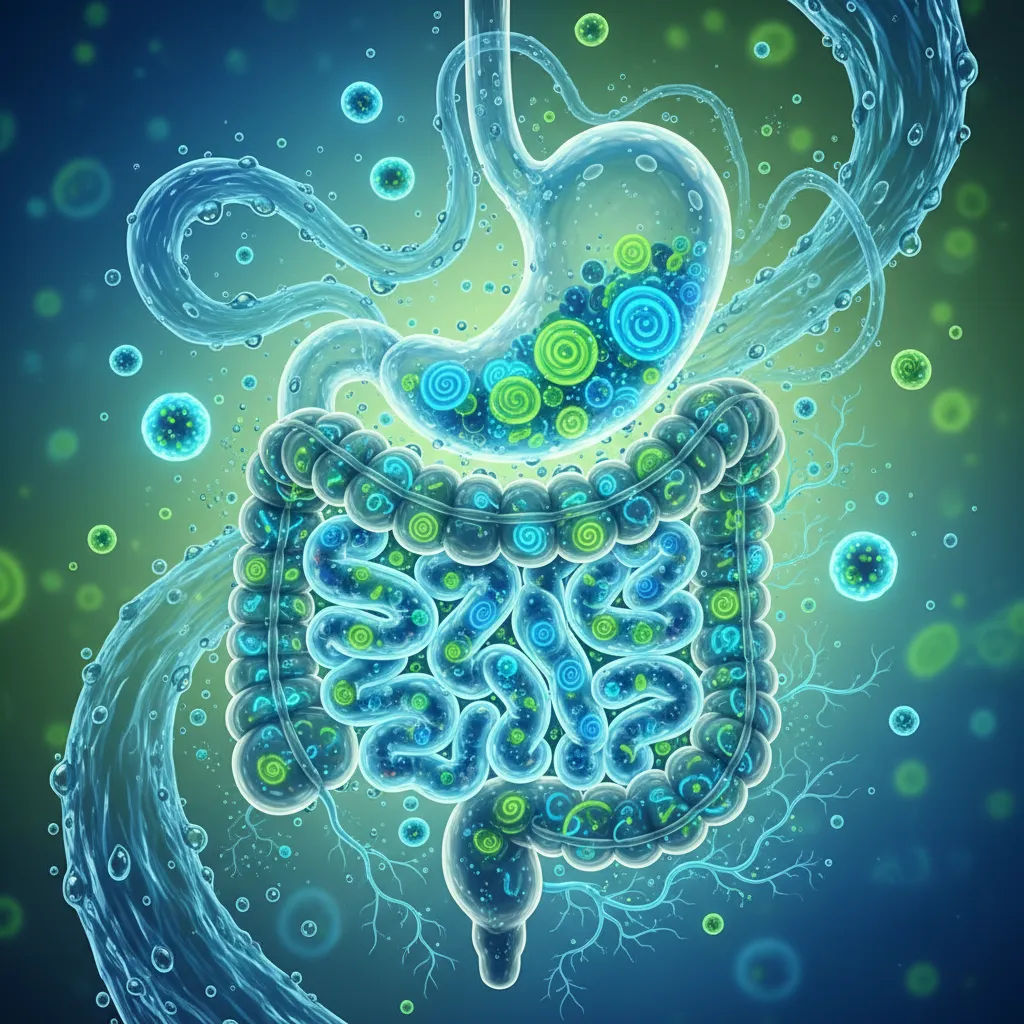
Probiotics are live bacteria and yeasts that are good for your digestive system. Think of them as friendly helpers that keep your gut running smoothly. When you eat probiotic foods like low fat yogurt, kimchi, or sauerkraut, you introduce these beneficial bacteria into your gut. They help balance your gut flora, which can improve your bowel habits and make constipation less likely. As Dr. Robynne Chutkan puts it:
"Fermented foods are nature’s gut gardeners."
Research shows that about 50% of people with constipation notice an improvement in regularity after adding probiotics to their routine. These live cultures help break down food, absorb nutrients, and keep things moving.
Best Probiotic Foods: Yogurt, Kimchi, Sauerkraut, Kefir, and More
Not all probiotic foods are created equal. Some pack a bigger punch when it comes to live cultures and gut benefits. Here are some of the top choices for supporting regular bowel movements:
- Low fat yogurt: Choose varieties with “live and active cultures” on the label.
- Kefir: A tangy, drinkable yogurt with even more probiotic strains.
- Sauerkraut: Fermented cabbage—just a few tablespoons daily can help.
- Kimchi: Spicy Korean fermented veggies, rich in gut-friendly bacteria.
- Miso and tempeh: Fermented soy options for variety.
Quick Guide: Foods vs. Supplements for Gut Health
Should you eat probiotic foods or take a supplement? For most people, starting with food is best. Fermented foods like yogurt, sauerkraut, and kimchi offer a mix of live cultures and fiber, both of which support healthy bowel habits. Supplements can help if you have trouble tolerating these foods or need a specific strain, but always check with your doctor first.
Table: Popular Probiotic Foods and Their Live Cultures
| Food | Serving Size | Estimated Live Cultures (CFU) |
|---|---|---|
| Low Fat Yogurt | 1 cup | Up to 10 billion |
| Sauerkraut | 2 tbsp | 3–5 billion |
| Kefir | 1 cup | 15–20 billion |
Recommended intake: 1–2 servings daily for gut benefit.
Warnings: When to Avoid Ferments
While probiotic foods can help with constipation, they aren’t for everyone. If you have a sensitive stomach, IBS, or a compromised immune system, introduce fermented foods slowly. Watch for bloating, gas, or discomfort. If symptoms persist, talk to your doctor before continuing.
6. How Not to Ruin It: Pitfalls, Urban Legends, and What Actually Makes Constipation Worse
If you’re searching for constipation management tips, it’s easy to get lost in a maze of myths, quick fixes, and well-meaning advice. Let’s clear the air and set the record straight on what really helps—and what can make things worse—when it comes to dietary changes for constipation and finding the right constipation relief foods.
Confessions: The Cheese Chronicles
I’ll admit it: I once spent a week eating nothing but grilled cheese sandwiches. I’d heard the old saying that “cheese binds everything,” but I didn’t realize just how true that could be. By day four, my digestive system was at a standstill. While cheese isn’t the only culprit, it’s not totally wrong to say it can slow you down—especially if your diet is low in fiber and fluids.
The Triple Threat: Processed Foods, Red Meat, and Fried Foods
According to research, processed foods, red meat, and fried foods are a triple threat to healthy bowel habits. Processed foods can increase your constipation risk by 30%, red meat by 20%, and fried foods by 25%. These foods are low in fiber and high in fat, which slows digestion and hardens stools. In fact, it’s estimated that up to 50% of constipation cases are due to poor diet choices. If you’re serious about constipation relief, focus on whole foods, fruits, vegetables, and whole grains—your gut will thank you.
Chart: Foods That Hinder vs. Help Digestion
| Hinders Digestion | Helps Digestion |
|---|---|
| Processed foods | Prunes, pears, apples |
| Red meat | Leafy greens, beans |
| Fried foods | Oats, chia seeds |
| Cheese, chocolate | Yogurt (with probiotics) |
| Bananas (unripe) | Bananas (ripe) |
Danger Zone: Laxative Overuse and Dependency
It’s tempting to reach for over-the-counter stool softeners or laxatives when you’re desperate for relief. But here’s the catch: using laxatives for more than two weeks can lead to dependency, making your bowels even lazier over time. For long-term constipation management, focus on dietary changes and natural remedies instead of quick fixes.
Medications, Chronic Issues, and When to See a Pro
Sometimes, constipation isn’t just about what you eat. Certain medications and underlying health conditions can slow your gut. If you’ve tried dietary changes for constipation and still struggle, it’s time to consult a healthcare professional. Persistent issues deserve expert attention.
Wild Card: Fact-Checking Social Media Hacks
Social media is full of hacks for constipation relief foods and “miracle” stool softeners. Some, like drinking warm water with lemon, may help, but others are pure myth. Always check the science before trying something new.
"Your fork is your first prescription for gut health." – Dr. Mark Hyman
In conclusion, managing constipation isn’t about chasing the latest trends or relying on quick fixes. It’s about making smart, sustainable dietary changes, understanding what foods help or hinder your digestion, and knowing when to seek professional guidance. Remember, your daily choices shape your gut health—so choose wisely, and let your fork be your guide.
